Interactive proposals: a smarter way to send and close deals
Whether you’re selling a custom software package or a standard service plan, how you present your offer matters. Traditional PDFs can be clunky to update, hard to track, and offer little room for buyer interaction.
Interactive proposals solve that by making your proposals dynamic, trackable, and easier to complete.
Learn more about interactive proposals, which features make the biggest impact, and how they help sales teams work more efficiently and close more deals.
What are interactive proposals?
An interactive proposal is a digital sales proposal that lets buyers actively engage with the content. Unlike static Word docs or PDFs, interactive proposals are designed to be clicked, filled in, and signed directly in the document. These proposals cacn include interactive elements like videos, images, pricing tables, and eSignatures, making them a more dynamic way to send business proposals.
Buyers can:
- View pricing options
- Watch embedded video or media
Enter information into form fields - Sign and submit the proposal in one place
This saves time for both parties and makes it easier for decision-makers to review and approve on their own schedule.
Interactive proposal benefits
Interactive proposals improve the way teams sell, ultimately helping them close more deals. Almost half, 47 percent of consumers, say interactive content helps them make better purchasing decisions.
Here are some key benefits of using interactive proposals:
- Faster proposal creation. Use proposal templates, reusable content, and drag‑and‑drop tools to create proposals in minutes, not hours
- Higher user engagement. Embedded video, images, and interactive pricing keep buyers involved and make the proposal easier to understand
- Shorter sales cycles. Buyers can review, sign, and pay without leaving the proposal, reducing delays and back‑and‑forth emails
- Improved accuracy. CRM integrations and dynamic content ensure you’re always using the right pricing, terms, and customer data. Automation features such as auto-filled fields and CRM syncing also help reduce manual data entry and ensure consistency.
- Enhanced buyer experience. Branded, personalized documents feel more like a professional proposal and help to build buyer trust
- Actionable insights. Real‑time analytics show who opened the proposal, what sections they viewed, and how long they spent on each part
How interactive proposals help businesses by industry
These tools also help team optimize their workflows and focus on higher-value selling activities.
Interactive proposals aren’t just for tech startups. Teams across industries use them to simplify sales and stand out.
Here are a few common examples.
SaaS companies
SaaS sales often involve multiple stakeholders and customized pricing.
Interactive proposals help by:
- Showing dynamic pricing options
- Including onboarding timelines and support levels
- Embedding product walkthroughs or case studies
- Allowing instant sign-off and payment for faster onboarding
Professional services
Consultants, law firms, and accounting teams benefit from proposals that reflect their expertise and value. Use features like:
- Video intros to explain scope and process
- Testimonials or client logos for social proof
- Fillable fields for project start dates or preferences
- Smart content that adjusts based on service type
Marketing and creative agencies
Agencies often pitch multiple project types and want to showcase past work. Interactive proposals make it easy to:
- Display portfolios or explainer videos
- Offer tiered pricing or à la carte services
- Let clients select packages and sign without back-and-forth
- Stay on-brand with custom visuals and messaging
Remote sales teams
Proposals are a key touch point for remote and virtual teams.
With embedded signing and mobile-friendly design, teams can:
- Reduce time zones and tool-hopping delays
- Give buyers a fully self-serve option
- Track proposal views to time follow-ups
- Maintain a consistent brand voice across reps
Interactive proposal features that drive sales
Here are key features to look for in proposal software to create interactive proposals that make the sales process smoother for buyers and sellers.
Drag-and-drop editor
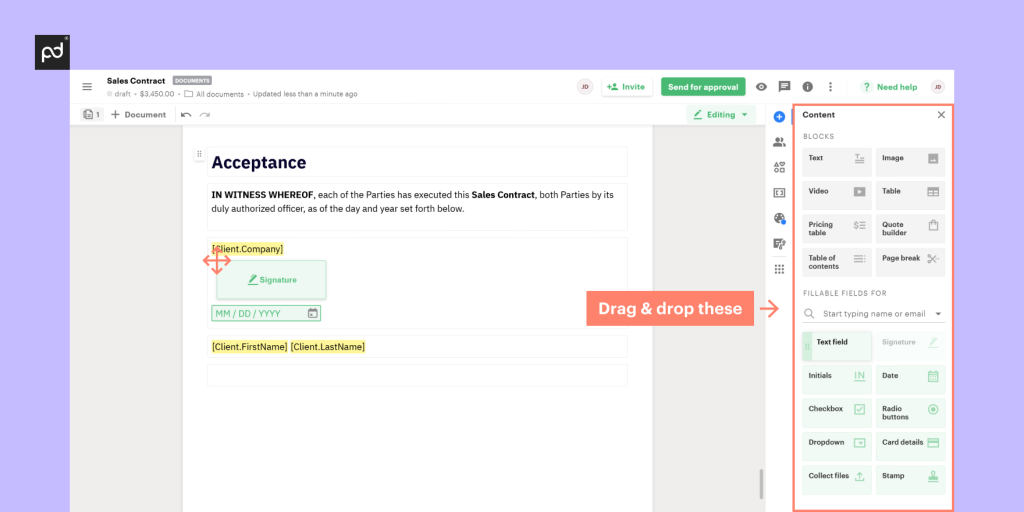
A drag-and-drop editor helps sales reps quickly build proposals without technical support.
- Easily move, update, or format content
- Add new blocks (like pricing, terms, or visuals) with a click
- Save and reuse layouts for faster proposal creation
Adding video and media files
Multimedia gives buyers more context into how your product helps to solve their pain points.
- Embed product demos or walkthroughs
- Add explainer videos or image galleries
Dynamic fields for buyer input
Let buyers add their own info directly in your proposals. This cuts down on email threads and back-and-forth communication.
- Fillable fields for name, company, preferred timeline, etc.
- Pre-fill known info from your CRM
CRM and payment integrations
Interactive proposals connect with tools your team already uses, leaving less steps for buyers in the sales process.
Proposal software like PandaDoc integrates with leading CRMs like Salesforce, HubSpot, and Pipedrive, and lets you integrate payment methods like PayPal and Stripe.
With these integrations, you can:
- Sync deal and contact data from your CRM
- Let buyers pay via Stripe or another provider directly in the document
Content library and smart content
When your proposal software has a content library and smart content, you can quickly reuse approved content blocks and dynamically tailor proposals, making them faster to build and more consistent across your team.
- Pull in case studies, pricing tables, or legal terms
- Set rules so smart content adapts based on deal details
eSignature
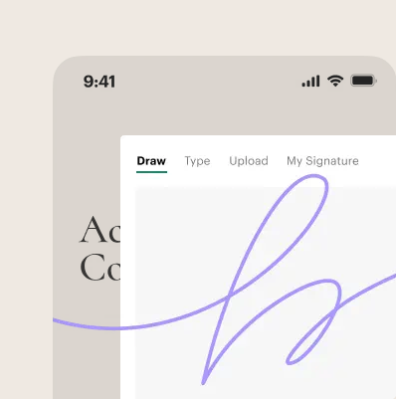
Collect signatures right away, no printing, scanning, or emailing needed.
- Legally binding eSignatures built into the proposal
- Faster approval and fewer back-and-forth emails
Embedded editor and embedded signing
An embedded editor and signing let you keep the entire document experience within your app or website.
Buyers can view, fill out, and sign without opening a new tab or leaving your platform.
This creates a seamless, branded experience and removes friction from the signing process.
Branding and customization
Every proposal should look and feel like it came from your company.
- Add logos, colors, and design elements for a consistent, on-brand experience
- Customize messaging for each buyer
PandaDoc integrates with Canva, making it easy to pull in branded visuals or custom graphics without leaving the platform.
Analytics and tracking
See what happens after you hit “send.”
- Track open rates, time spent on each section, and completed actions
- Use data and engagement
- metrics to tailor follow-ups and forecast deal progress
Choosing the right proposal software
There are many proposal tools available, but not all support the features modern sales teams need. It’s important to find an option that fits your budget, includes the features you need, and is easy to use to promote team-wide adoption.
Look for software that is:
- Easy to learn and simple to use
- Equipped with built-in eSignature and payment features
- Integrated with your CRM to reduce manual data entry and streamline internal workflows
- Designed for fast proposal generation with prebuilt templates and branded content
- Able to provide insights into buyer activity, like views and time spent on sections
PandaDoc makes proposal creation and delivery easier with a user-friendly editor, flexible content tools, and built-in eSignature. It also offers two-way CRM syncing and analytics that help teams respond to buyer behavior.
How to build an interactive proposal
With the right tools and a structured approach, your team can send polished, engaging proposals in minutes.
Here’s a simple step-by-step guide:
1. Start with discovery data
Before you build, gather the key details: client goals, timeline, budget range, and decision-makers.
This helps you tailor the proposal to what matters most.
2. Choose the right template
Use a branded template to streamline and ensure consistency across proposals.
A good template includes:
- A cover page with your logo and the client’s name
- An executive summary tailored to the client’s needs
- A clear scope of work
- Pricing and optional add-ons
- Terms and next steps
Use proposal software like PandaDoc that supports reusable blocks and conditional content, so you can quickly tailor each proposal.
3. Add interactive pricing
Interactive pricing tables let buyers choose options, compare packages, or add services themselves. This self-service experience turns your proposal into a mini quote builder.
4. Embed multimedia and ROI visuals
Use video and visuals to explain value, not just features. Add a quick demo, a message from the account exec, or an ROI calculator to keep things engaging.
5. Enable eSignature and payment
Make it easy for the buyer to say “yes.” Add eSignature fields and payment options (like credit card or ACH) directly into the proposal.
6. Preview on mobile and desktop
Test your proposal on different screen sizes. Buyers might view it on a phone between meetings, so mobile readability matters.
7. Send and track engagement
Once it’s ready, send the proposal and use analytics to see what happens next.
Look for signals like:
- Who opened the proposal
- What sections they viewed
- How long they spent on pricing
Use that data to follow up more effectively and close faster.
Engage buyers and boost sales with interactive proposals
Interactive proposals are a practical upgrade for sales teams. They reduce manual work, make it easier for buyers to respond, and give teams better visibility into what’s working.
See how PandaDoc can make the proposal process easier and faster and help you close more deals. Contact us to schedule your free, personalized demo.
Frequently asked questions
-
Interactive proposals help to improve close rates by keeping buyers engaged and making it easy to review, respond, and sign, all in one place. This shortens the decision-making process and reduces drop-off.
-
Yes, eSignatures are critical for moving deals forward without delays. They also help with compliance and record-keeping.
-
Yes, eSignatures are critical for moving deals forward without delays. They also help with compliance and record-keeping.
-
Interactive proposals enhance client engagement by including features such as videos, pricing tables, and input fields directly in the proposal, creating a more personal and useful experience.
Disclaimer
PandaDoc is not a law firm, or a substitute for an attorney or law firm. This page is not intended to and does not provide legal advice. Should you have legal questions on the validity of e-signatures or digital signatures and the enforceability thereof, please consult with an attorney or law firm. Use of PandaDoc services are governed by our Terms of Use and Privacy Policy.